
Understanding Nutrition, Performance, and Diet Culture in Sports
This article explores nutrition and athletes through an intuitive, non-diet approach to fueling performance, hydration, and recovery. This guide is especially helpful for competitive and recreational athletes, as well as parents and coaches supporting athletic performance and overall well-being.
Nutrition and Athletes: Diet Culture and Performance Myths
Diet culture is prevalent worldwide, and athletes are particularly vulnerable to its false promises. Athletes are often led to believe that dieting, “eating clean,” or maintaining a smaller body will make them faster, stronger, healthier, improve digestion, reduce inflammation, and enhance performance and recovery. In judged sports such as gymnastics, there may be additional pressure to believe that a smaller body will lead to higher scores.
Athlete Nutrition Risks: Rigid Eating, Dieting, and Eating Disorders
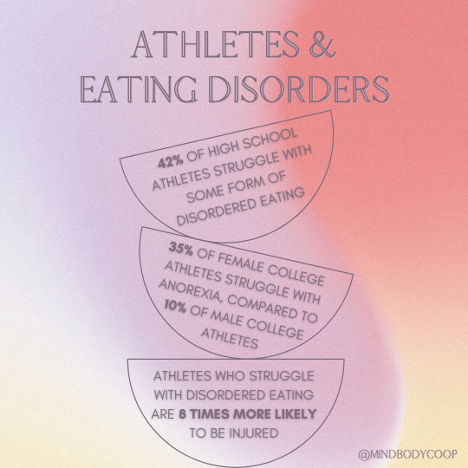
Many athletes are highly structured not only in their training but also in their eating habits. This rigidity can increase the risk of eating disorders. Dieting rarely delivers all that it promises and is often linked to decreased performance, depression, anxiety, slowed digestion, suppressed immunity, brain fog, and bone loss. These beliefs are reinforced by broader weight-centric approaches to health that frame certain foods and body sizes as inherently “good” or “bad,” despite evidence of harm to both physical and psychological well-being.
When an athlete does not eat enough, the body may use lean tissue (muscle) as fuel. In contrast, eating a varied and balanced diet supports both physical performance and mental well-being.
Athletic performance thrives when the body is adequately nourished.
Eating Disorders and Nutrition Challenges in Athletes
Who Does This Nutrition Approach Supports
- Athletes experiencing fatigue, injury, or stalled performance
- Athletes feeling anxious, rigid, or overwhelmed around food
- Individuals recovering from dieting or disordered eating patterns
- Athletes in high-pressure or judged sports environments
Intuitive Eating for Athletes: A Nutrition and Athletes Approach
The truth is that anyone—regardless of body size—can be a great athlete. By taking an anti-diet approach and focusing on intuitive eating, athletes can reject the diet mentality and experience food freedom.
Sports Nutrition: Fueling with Hunger, Fullness, and Cravings
Intuitive eating supports athletes by emphasizing internal cues rather than external rules. By honoring hunger, fullness, and cravings, athletes can better nourish their bodies. Athletes typically need significantly more energy than non-athletes.
Energy Needs for Athletes Change Day to Day
Energy needs vary daily based on sleep, stress, hormonal changes, and training demands. Calorie counting or rigid food rules can cause athletes to miss important body cues that support recovery and performance.
All Foods Fit: Balanced Nutrition for Athletes
Many athletes avoid certain food groups due to fears about inflammation, weight gain, or reduced performance. These beliefs often stem from diet culture rather than evidence-based sports nutrition. In reality, the only foods that are truly “bad” are foods someone is allergic to, dislikes, or that are spoiled.
Restrictive diets can impede recovery and drain mental energy that could otherwise support training, relationships, school, or work. All foods fit—meaning cake can be just as appropriate as a protein shake, depending on the context.
Gentle Nutrition for Athletes: Eating Even When You’re Not Hungry
Intuitive eating also includes gentle nutrition. There are times when athletes may not feel hungry but still need nourishment—such as before competition or after intense training. Eating soon after workouts helps replenish glycogen stores and reduces the risk of hypoglycemia.
Pre-Workout Nutrition for Athletes: Fueling for Performance
Nutrition before activity is essential. Many athletes benefit from eating a meal 2–4 hours before an event and a snack 15–60 minutes beforehand. Carbohydrate-rich foods are typically ideal, while greasy foods may increase gastrointestinal discomfort.
Hydration should begin the day before the competition, whenever possible.
Hydration for Athletes: Sports Drinks, Electrolytes, and Recovery
Fluid loss occurs quickly through sweat and breathing. Athletes should drink water or sports drinks before, during, and after activity. Sports drinks that contain carbohydrates (not zero-calorie options) can help maintain blood glucose levels and improve electrolyte absorption.
During exercise, taking a few sips of fluid every 15–20 minutes—or responding to thirst cues—is generally recommended.
Nutrition and Athletes: Eating Disorders, Treatment, and Support
Eating disorders are not a choice. Genetics and brain chemistry play a significant role in vulnerability. Health goals can focus on strength, energy, and well-being without weight loss as the primary aim.
This article is for educational purposes only and is not a substitute for individualized medical, nutritional, or mental health care.
Getting Help: Therapy, Nutrition Education, and Medical Care
If you or someone you love is struggling with disordered eating, support is available. There is no such thing as not being “sick enough.” Effective treatment often includes therapy, nutrition education, and medical care.
Key Takeaways: Nutrition and Athletes
- Restrictive dieting can reduce athletic performance and recovery.
- Athlete nutrition needs change day to day.
- Intuitive eating supports energy, focus, and recovery.
- Hydration and post-workout fueling are essential.
- Support is available for athletes struggling with disordered eating.
Interested in learning more? Mind Body Co-op’s registered dietitian and therapists support athletes of all levels using a non-diet, performance-focused approach.
Athletes deserve care that supports both performance and long-term well-being.