
Flexibility Over Food Rules
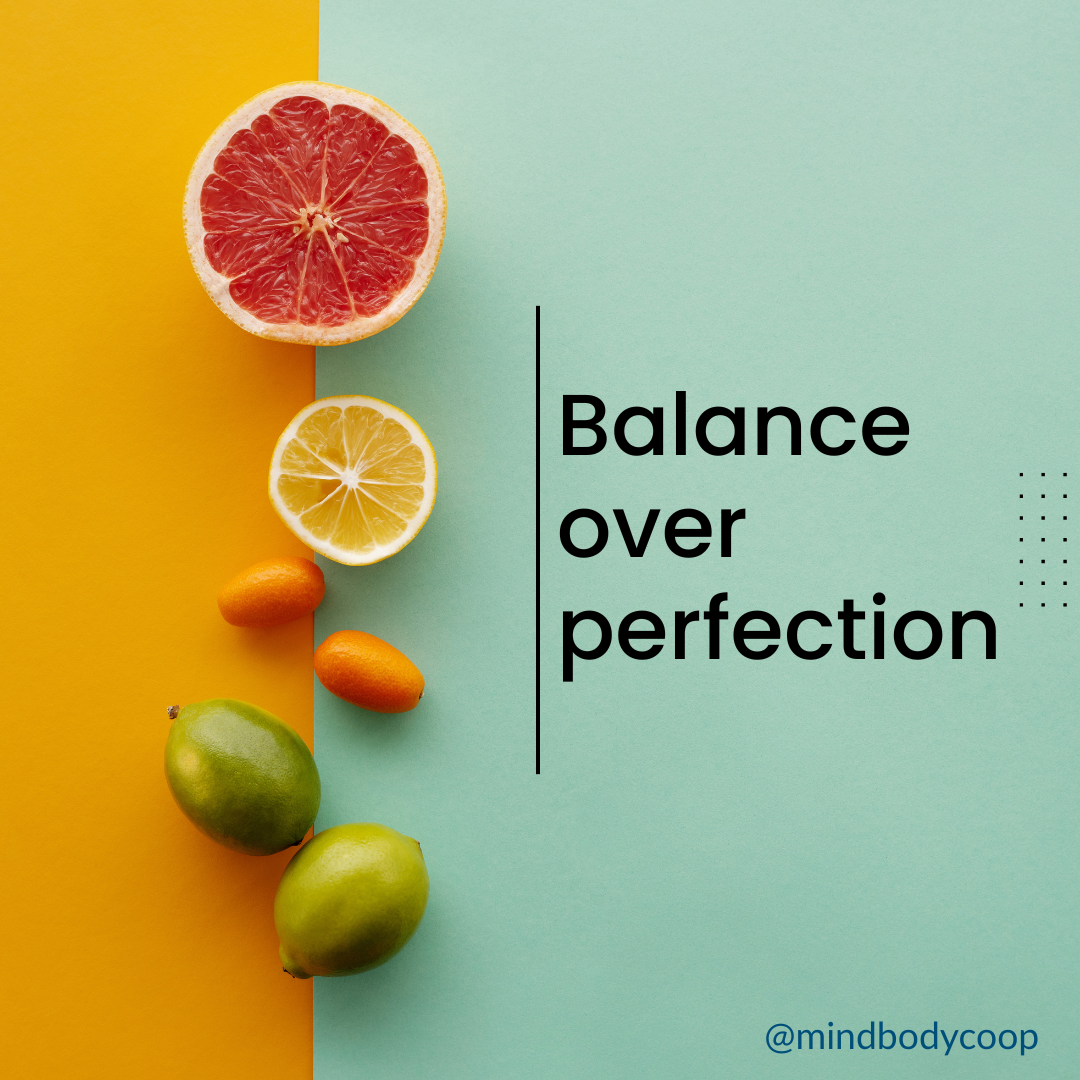
There is no denying that healthy eating is good for us. When we eat right, we can make significant improvements to our overall health and well-being. However, disordered eating, including patterns associated with orthorexia nervosa, can develop when healthy habits become rigid or obsessive.
But, as with most things in life, everything in moderation. Some take healthy eating to an extreme, becoming obsessive and eventually developing an eating disorder known as orthorexia. If left unaddressed, this pattern can have severe consequences.
What Is Orthorexia Nervosa?
Understanding Orthorexia as Disordered Eating
Orthorexia, also known as Orthorexia Nervosa, is a type of eating disorder that appears when an individual develops an unhealthy fixation with healthy eating. But unlike other eating disorders that focus on the amount of food a person eats, this form of disordered eating focuses on the quality of food. Typically, someone struggling with these behaviors isn’t trying to lose weight. Instead, the fixation centers on the perceived “purity” of food.
Signs and Symptoms of Disordered Eating
How Orthorexic Eating Patterns May Appear
- Persistent preoccupation with food quality, purity, or ingredient sourcing
- Strong emotional distress, shame, or anxiety when food rules are broken
- A growing list of “forbidden” foods or rigid eating rules
- Difficulty eating food prepared by others or eating in social settings
- Feeling a sense of control, safety, or self-worth tied to eating habits
Impact of Orthorexia on Mental, Physical, and Social Health
Why Disordered Eating Patterns Can Be Harmful
Although orthorexic eating patterns are often praised or overlooked because they appear “healthy,” they can take a significant toll on mental, physical, and social well-being. These behaviors exist within the broader context of disordered eating, where rigid rules and anxiety around food can affect overall quality of life.
- Mental health: Increased anxiety, guilt, rigidity, and fear around food choices
- Physical health: Nutritional deficiencies, low energy, and medical complications related to restriction
- Social well-being: Isolation, avoidance of shared meals, and strain in relationships
What Contributes to Orthorexic Eating Patterns?
Risk Factors for Disordered Eating
Currently, there is a lack of complete understanding as to why or how this eating disorder develops. However, people with obsessive-compulsive traits or other forms of disordered eating may be at higher risk. Other contributing factors can include anxiety, a lack of control in other areas of life, and perfectionism.
Healthy Eating vs. Disordered Eating
Understanding the Difference
Healthy eating supports nourishment, flexibility, and enjoyment of food. Disordered eating patterns differ in that food choices are driven by fear, anxiety, and rigid rules rather than balance and well-being.
Unlike eating disorders that focus on weight or body shape, orthorexia centers on food purity and perceived healthfulness. However, it can be just as disruptive and harmful.
Healing does not require perfection. A supportive, flexible relationship with food is possible.
Recovery from Orthorexia and Disordered Eating
Support, Flexibility, and Healing
The consequences of orthorexic and disordered eating behaviors can be serious and should not be taken lightly. Recovery often involves drawing on experience, strength, and hope while rebuilding a more flexible relationship with food.
Treatment commonly focuses on reducing rigidity around food, addressing underlying anxiety or perfectionism, and rebuilding trust in the body. Support from both mental health professionals and nutrition providers can be especially helpful.
When to Seek Help for Disordered Eating
Being mindful of what you put into your body can be helpful. However, becoming preoccupied with food to the point that it disrupts daily life and health can be harmful.
If concerns about food, eating, or control are affecting your quality of life, support is available.
Care at Mind Body Co-op, provided by our registered dietitian or therapists, can help address disordered eating patterns while supporting both physical and emotional well-being.