
Finding Balance Between Apps and Authentic Connection
This article focuses on the intersection of technology and mental health, exploring how therapy apps can benefit—and where they fall short.
Compare options, review credentials and privacy policies, and select the one that best fits your needs.
If you’re in crisis or considering self-harm, call or text 988 (US) or go to the nearest emergency room.
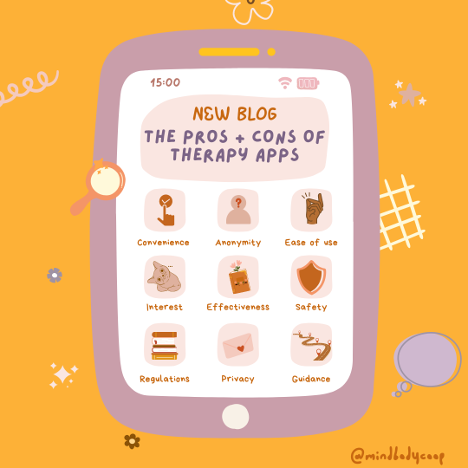
Quick context: Today, there are well over ten thousand mental-health and wellness apps available, yet only a small fraction have undergone rigorous clinical evaluation.
Pros of Technology and Mental Health Apps
Convenience in Technology and Mental Health
Moreover, because apps run on smartphones or computers, therapy can take place anywhere and at any time. They also help people who struggle to attend in-person sessions due to busy schedules, rural locations, or childcare responsibilities.
Anonymity on Online Therapy Platforms
Additionally, creating an account on a therapy app avoids administrative hurdles common in traditional setups. Therefore, users can start quickly and privately, which may increase comfort when sharing emotions.
Great for First-Timers in Technology and Mental Health
For people new to therapy, the digital format lowers the barrier to entry. This gentle on-ramp at the intersection of technology and mental health can build confidence for ongoing care.
Variety and Ongoing Interest
Furthermore, there are many mental health apps, not just therapy apps. Diverse tools may feel more engaging than traditional care and can motivate people to keep working on their mental health.
How Therapy Apps Compare to Traditional Therapy
| Therapy Apps | Traditional Therapy |
|---|---|
| High convenience and lower cost | Deeper continuity with one clinician |
| Varied privacy and oversight | Clear privacy rules and licensing |
| Good for first-timers or maintenance | Best for complex or long-term care |
Cons of Technology and Mental Health Tools
Effectiveness and Evidence
In contrast, many apps still lack rigorous research to confirm their effectiveness. This can make it hard for users to know which digital tools actually help improve mental health outcomes.
Regulation and Oversight
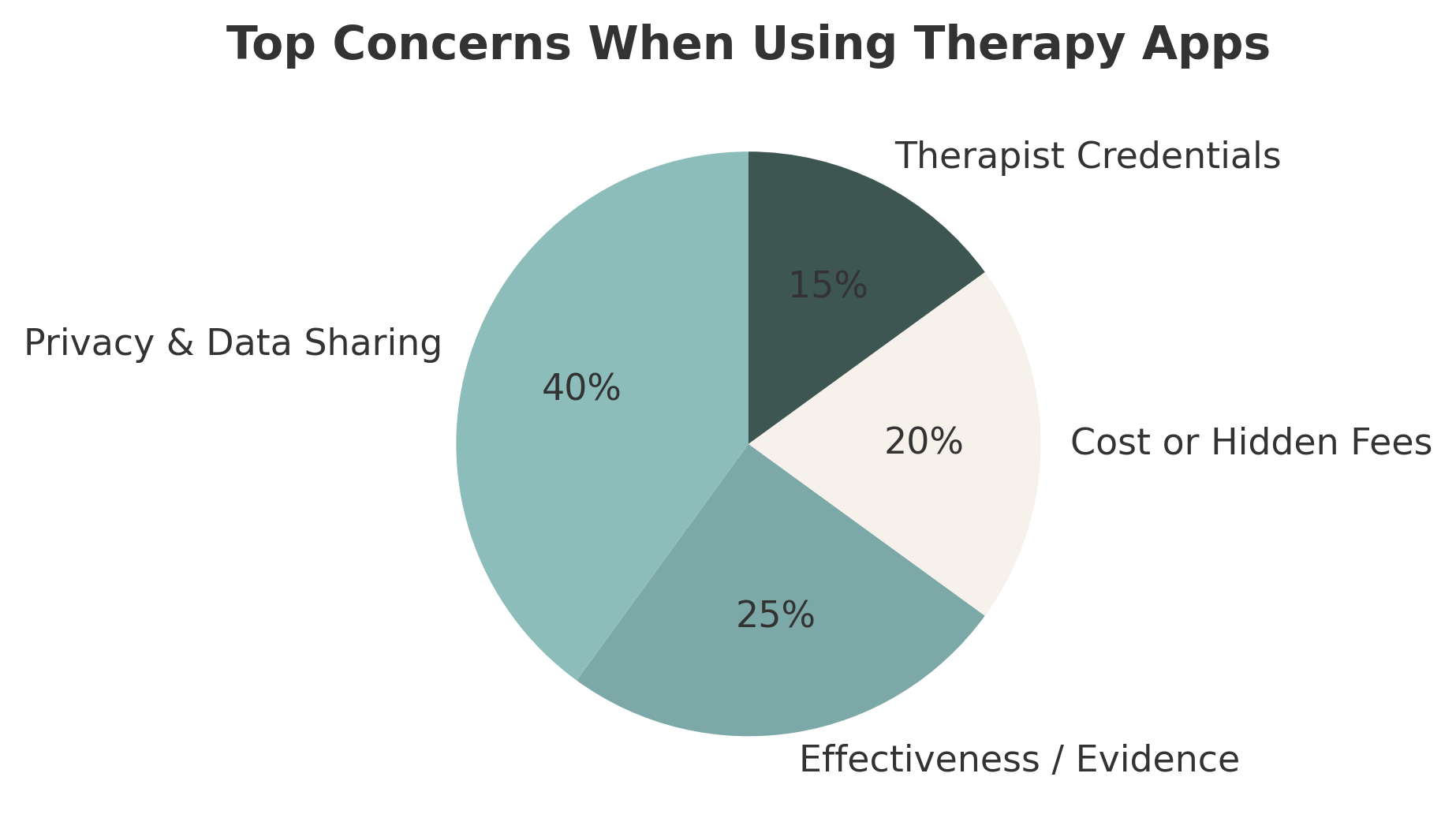 However, the mental health technology space remains lightly regulated. As a result, it raises the ongoing question of who will—and who should—set and enforce standards.
Privacy and Data Sharing
Meanwhile, therapy apps handle sensitive information, so strong privacy practices are essential. Yet some apps share data without clear consent or use third-party tracking, which can erode trust.
Overselling and Unrealistic Claims
Consequently, when an app promises more than it can deliver, people may delay more effective care or avoid in-person support altogether.
How to Choose Online Therapy Platforms Safely
Simple Checklist for Better Decisions
Therefore, look for transparency about therapist credentials, data privacy, and clinical backing. Reputable platforms clearly list qualifications, outline how your data is protected, and explain how outcomes are monitored. Additionally, check for HIPAA compliance and verified reviews to support safe, informed choices in mental health technology.
FAQs About Technology and Mental Health
Are therapy apps as effective as in-person care?
It depends on the app and your needs. However, licensed clinicians and evidence-based methods improve results.
What privacy questions should I ask?
First, ask how data is stored, shared, and secured. Additionally, confirm HIPAA compliance and whether the app collects or shares sensitive information.
When should I choose in-person therapy?
Finally, consider in-person care for higher-risk concerns, complex needs, or when you prefer continuity with a single therapist.
The Bottom Line on Technology and Mental Health
Mind Body Co-op serves clients across Chicago and Illinois through in-person and secure telehealth sessions.