
Finding Connection, Healing, and Hope in a Disconnected World
It’s 2026, and while the world feels more connected than ever, many people still struggle silently with depression and isolation 2026. Consequently, it can be easy to appear “fine” on the outside while feeling completely alone inside. At Mind Body Co-op, we hear clients say, “I feel like I’m fading.” Therefore, if this resonates with you, please know that you are not alone and that support is available to help you overcome isolation and hopelessness.
As we move into 2026, the new year often brings both reflection and pressure. It’s okay to set emotional well-being—not productivity—as your first goal.
Depression affects more than 300 million people worldwide, and rates continue to rise into 2026. You are part of a much larger story of people seeking connection and healing.
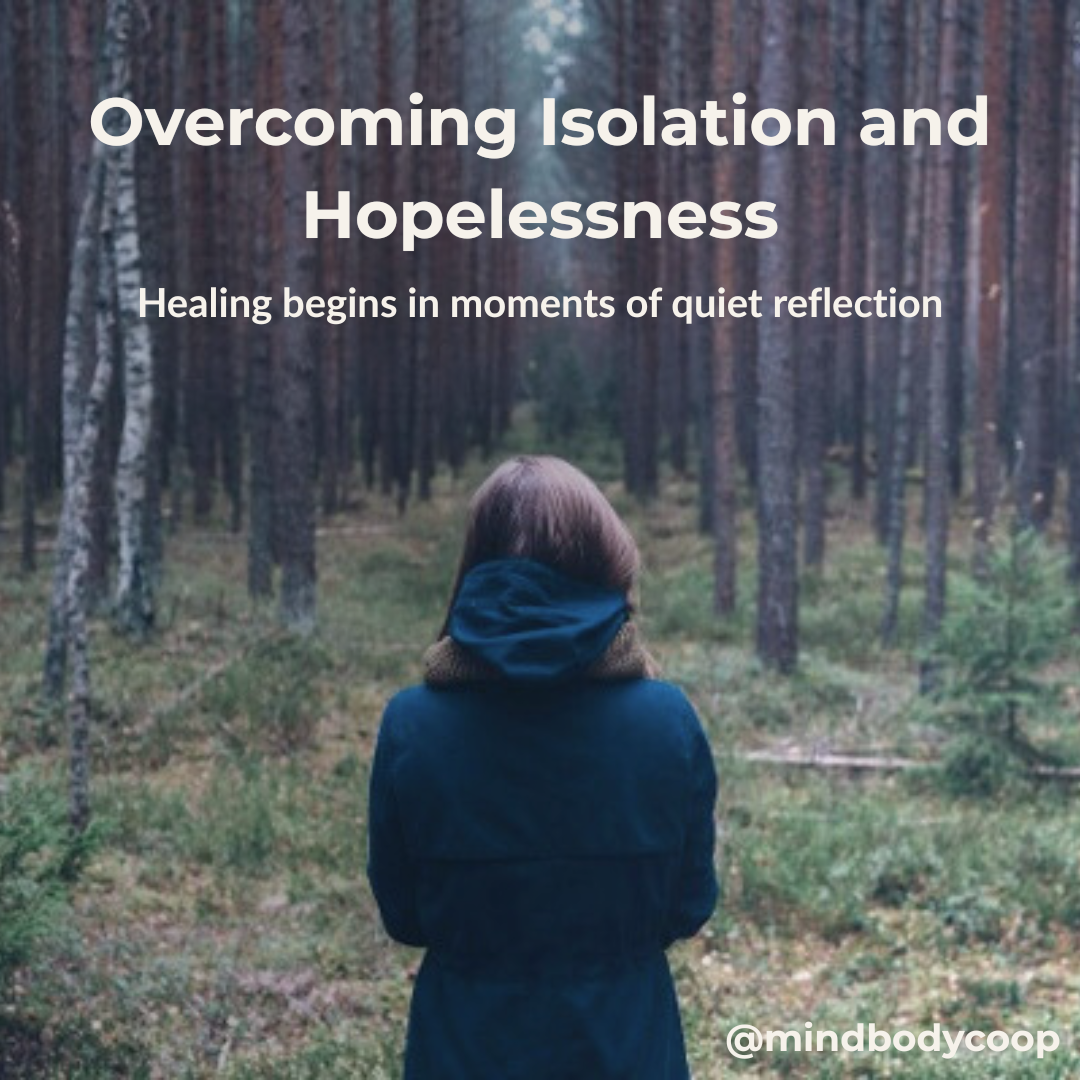
The Hidden Loneliness of 2026: Overcoming Isolation and Hopelessness
Despite a hyper-connected world, rates of loneliness, depression, and isolation in 2026 remain high, with approximately 37.4% of U.S. adults experiencing moderate to severe loneliness. Many adults quietly manage school, work, and family life while feeling emotionally numb or disconnected from meaning and purpose. Rather than signaling personal flaws, these experiences are your mind and body’s call for care and connection.
Why Overcoming Isolation and Hopelessness Is Still So Hard
1. Lingering Post-Pandemic Effects
Even years later, the pandemic’s emotional and social impact continues to shape daily life. As a result, interrupted milestones, collective grief, and new work and social routines have left many people depleted or anxious about reconnecting. This ongoing fatigue often deepens depression and isolation in 2026, as people navigate how to rebuild a sense of community and balance.
2. Social Media and Information Overload
Constant exposure to curated lives and distressing news heightens inadequacy and comparison. In addition, the pressure to stay “always on” can deepen disconnection and stall recovery from depression and isolation.
3. Cultural and Identity Pressures
Many clients—especially BIPOC, LGBTQIA+, first-generation, and international individuals—feel torn between cultural expectations and personal authenticity. Consequently, this tension can intensify loneliness, self-doubt, and the struggle of overcoming isolation and hopelessness.
4. Neurodivergence and Misunderstanding
For those who are neurodivergent (ADHD, Autism, sensory sensitivities), social settings may be exhausting. Therefore, understanding and acceptance are crucial for reducing masking, preventing exhaustion, and alleviating emotional isolation.
5. Stress From the Political Environment
The 2026 political climate adds emotional fatigue and uncertainty. Furthermore, constant exposure to conflict and polarization—both online and offline—can heighten anxiety and hopelessness. Intentional news breaks, clear boundaries around political conversations, and supportive community spaces can help restore balance and safety, while also aiding in overcoming isolation and hopelessness.
Building Connection and Resilience in 2026
Healing from depression and isolation isn’t only about reducing sadness—it’s about rebuilding connection and restoring energy in small, consistent ways. Start by noticing what feels nourishing: spending time outdoors, calling a friend, joining a support group, or volunteering for a cause that matters to you. Remember, connection doesn’t always mean being surrounded by people; it can also come from shared purpose, creativity, and kindness toward yourself.
“Connection doesn’t have to be perfect—it just has to be real.”
Creating space for moments of rest, gratitude, and authenticity helps strengthen emotional resilience. Over time, these small acts of care can reignite hope and remind you that healing is indeed possible, even in the most challenging times.
You Don’t Have to Face Depression and Isolation Alone
At Mind Body Co-op, we provide holistic, trauma-informed care that meets you where you are. Whether you feel overwhelmed or emotionally flat, therapy can help you start overcoming isolation and hopelessness. In addition, you can choose a format that fits your needs and capacity:
- Individual therapy (virtual or in person)
- Group therapy and community support circles
- Psychiatry and medication management
- Nutrition counseling and mind–body integration
- Culturally responsive and LGBTQIA+-affirming care
Finding Strength in Overcoming Isolation and Hopelessness
Ultimately, healing grows through small, consistent steps. For example, setting gentle boundaries, practicing self-compassion, and reconnecting with trusted people can reduce numbness and renew hope. Therefore, beginning today—however small—matters on your journey of overcoming isolation and hopelessness.
What You Can Do Right Now
- Take a few minutes outdoors or near a window with natural light to reset your body.
- Reach out to one person you trust and share how you’re really doing.
- Reduce doom-scrolling by replacing it with a grounding activity.
- Schedule a therapy consultation to explore support options.
Reach Out: Healing From Depression and Isolation in 2026
If you’re struggling with depression and isolation in 2026, remember: reaching out is not weakness; instead, it is courage and self-care. Consequently, taking the first step now can help you reclaim connection and meaning.