
Understanding Mindful Self-Compassion Practices
Mindful self-compassion practices help us respond to ourselves with the same care and understanding that we show others. These practices teach us how to approach our emotions with patience and awareness. As a result, they set the foundation for personal growth and healing.
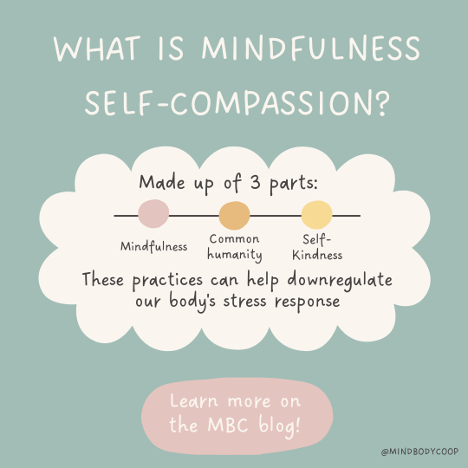
What Is Mindfulness in Mindful Self-Compassion Practices?
It may seem like you are hearing the word “mindfulness” thrown around in various contexts, but what does it really mean? In essence, mindfulness means being aware of the present moment and noticing thoughts, feelings, and physical sensations as they arise. Additionally, it involves accepting the moment as it is and approaching experiences from a non-judgmental perspective.
Through mindful awareness, we can observe our emotions and thoughts without judgment, thereby cultivating a deeper understanding of ourselves. This practice helps us stay present and grounded.
What Is Self-Compassion?
Let’s face it – life can be hard. Difficult emotions such as grief, worry, and fear are all part of the human experience. At times, we do everything we can to avoid experiencing these feelings. Recent research suggests that when people attempt to suppress emotions instead of acknowledging them, their stress response becomes stronger, making those feelings even more difficult to manage.
Instead of resisting, what happens when we show ourselves compassion? Self-compassion means treating ourselves with love and kindness. Instead of resisting emotions, we can validate our experiences without trying to change them. Ultimately, self-compassion enables us to accept our humanness and the experiences we are having.
We can show ourselves self-compassion in various ways. Whether we offer ourselves a soothing touch, such as placing our hands over our heart or giving ourselves a gentle hug, or offer ourselves words of love and kindness, self-compassion is a unique journey for each of us. Research indicates that self-soothing gestures, such as placing a hand on the heart or hugging oneself, can help reduce stress hormones and increase feelings of safety and security. For a practical guide on incorporating these gestures into everyday life, explore the Self-Compassion Touch practice.
Incorporating self-kindness and awareness into daily life is a straightforward way to start developing mindful self-compassion practices.
What Self-Compassion Is Not
We often mistake self-compassion for selfishness or weakness, yet it is quite the opposite. In fact, research indicates that individuals with greater self-compassion tend to be more caring and supportive toward others. As a result, compassion for oneself enhances compassion for others.
Self-pity focuses on the individual, whereas self-compassion acknowledges that everyone experiences difficult times. Therefore, practicing it helps us feel more connected and less isolated in our struggles.
Understanding what self-compassion is not is just as important as learning mindful self-compassion practices that nurture genuine self-kindness.
The Three Pillars of Mindful Self-Compassion Practices
- Mindfulness — being aware and accepting of the present moment.
- Common humanity — remembering that everyone is imperfect and shares difficult emotions.
- Self-kindness — treating ourselves with the same compassion we’d offer a friend.
Altogether, these mindful self-compassion practices help us feel connected and grounded. As a result, striking a balance between mindfulness, humanity, and self-kindness enables us to respond more gently to ourselves and others.
Reframing the Body’s Stress Response with Mindful Self-Compassion Practices
Applying these three pillars can help downregulate our body’s stress response—often referred to as the fight, flight, or freeze response. The purpose of this system is to keep us safe from both physical and emotional dangers. However, when the stress response is triggered by self-criticism or shame, it turns inward. We may react with self-criticism (fight), isolation (flight), or rumination (freeze).
By contrast, when we practice self-compassion—choosing self-kindness over criticism, common humanity over isolation, and mindfulness over rumination—we activate the body’s care system. This releases oxytocin and endorphins, creating feelings of comfort and safety. Consequently, we become better able to self-soothe and regulate emotions.
Self-Talk Matters in Mindful Self-Compassion Practices
The way we talk to ourselves has a significant impact on our emotional well-being. In other words, our inner dialogue shapes how we cope with stress and self-criticism. More importantly, the three pillars of mindfulness and self-compassion can help us engage in more validating and compassionate self-talk.
- Mindfulness language: Try saying, “This is a moment of suffering” or “This hurts” to acknowledge feelings without judgment.
- Common humanity language: Remind yourself, “everyone experiences these feelings,” to feel connected rather than alone.
- Self-kindness language: Offer words such as “may I be strong” or “may I give myself grace,” turning kindness inward through compassionate self-talk.
Over time, using these short phrases can turn moments of reflection into mindful self-compassion practices. These practices strengthen both resilience and emotional balance.
Closing
Ultimately, engaging in mindful self-compassion practices improves emotional well-being. In turn, it helps you lead a more balanced and fulfilling life. You, like everyone else, are worthy of love and compassion.
If you’d like to work on mindfulness and self-compassion, reach out to info@mindbodycoopchicago.com to set up an intake with therapist Nicky, who wrote this blog!