
Men’s Mental Health in 2026
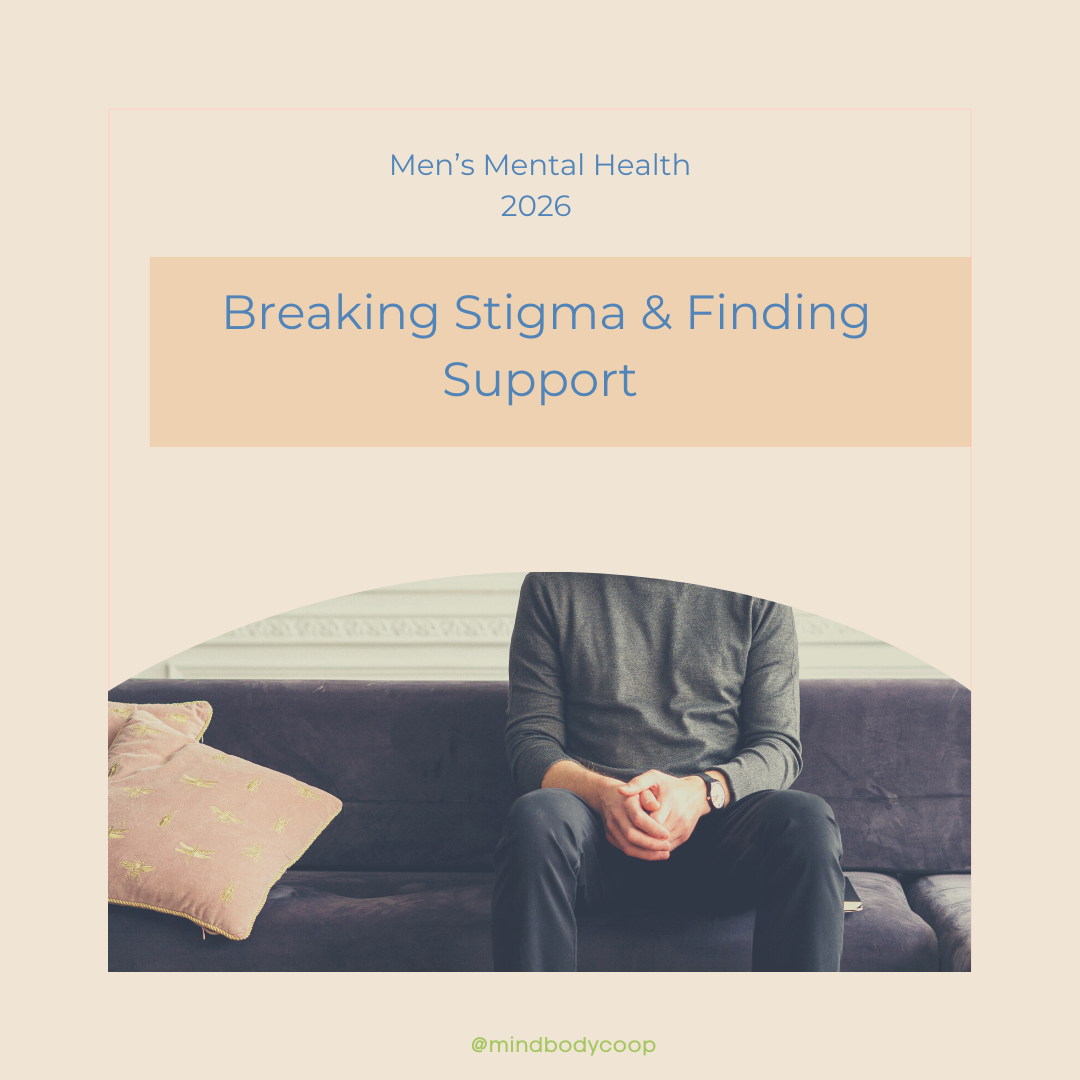
Understanding the State of Men’s Emotional Health
Depression, Anxiety, and the Hidden Struggles Men Face
Mental health challenges among men are both widespread and under-recognized. Recent data shows that about 10% of men reported symptoms of depression in 2025, compared with 16% of women. Nearly one in ten men experiences anxiety or depression, yet fewer than half receive treatment.
These numbers reveal a significant gap between need and access. Many men minimize their symptoms, dismissing emotional strain as mere fatigue or stress. Without proper care, temporary distress can develop into more serious conditions that affect relationships, work, and overall quality of life.
Beneath these statistics lies a persistent stigma. From a young age, many boys learn to internalize pain rather than express it. That learned silence often follows them into adulthood, shaping how they respond to emotional hardship.
Barriers to Mental Health Support for Men
Why Stigma Still Prevents Men from Seeking Therapy
While awareness has grown, meaningful access to care remains limited. Only about four in ten men with a diagnosed mental illness receive professional mental health care each year, compared to more than half of women. Even when men reach out for support, they often encounter barriers such as cost, limited provider availability, or a lack of culturally responsive care.
More concerningly, over 60% of men who die by suicide have had contact with a mental health professional within the year before their death. This points to the need not only for outreach but also for sustained, effective treatment and follow-up support.
Men who do seek help are making progress—therapy and community programs tailored toward men’s emotional well-being are expanding—but much work remains to be done.
Social and Cultural Factors Impacting Male Mental Health
Workplace Pressure, Isolation, and Economic Stress
The causes behind men’s mental health struggles are multifaceted. Economic uncertainty, long work hours, and the pressure to succeed or provide for others contribute to chronic stress. Societal norms that discourage vulnerability further isolate men from support systems.
Younger men, those who live alone, and men from marginalized or racialized communities are at particular risk. Social isolation, financial instability, and discrimination can heighten emotional distress and make help-seeking even more difficult. For some, this isolation becomes a quiet, compounding burden.
Depression and Suicide in Men: A Growing Crisis
Why Early Mental Health Treatment for Men Saves Lives
Depression remains one of the most prevalent mental health concerns among men, affecting more than six million each year. Tragically, men die by suicide at roughly four times the rate of women. In 2023, the male suicide rate reached about 25 deaths per 100,000, compared with about 6 per 100,000 for women.
These numbers underscore the importance of early intervention. While men may attempt suicide less frequently, they are far more likely to die as a result, often using more lethal means. Every statistic represents countless families, friends, and communities changed forever by preventable loss. Learn more from the American Foundation for Suicide Prevention.
Substance Use and Addiction in Men’s Wellness
Alcohol, Drugs, and Emotional Coping Patterns Among Men
Substance use is closely tied to men’s mental health. Alcohol and drug misuse often serve as coping mechanisms for unaddressed emotional pain. In recent years, more than 58,000 men died from alcohol-related causes, and nearly 13% of adult men met criteria for Alcohol Use Disorder (AUD).
Men are also two to three times more likely to die from drug overdoses than women. In 2023, the United States saw more than 105,000 overdose deaths, the majority involving men.
Substance use can numb distress temporarily, but it also increases impulsivity, worsens mood disorders, and magnifies the risk of suicide. Recognizing and treating both substance use and mental illness is essential for recovery.
Therapy for Men at Mind Body Co-op: Healing Through Connection
Individual and Group Counseling that Builds Resilience
At Mind Body Co-op, men’s mental health treatment focuses on creating a safe, inclusive, and empowering space for healing. The practice offers both individual therapy and group therapy designed to help men explore emotions, build coping strategies, and challenge harmful beliefs about masculinity and vulnerability.
In individual therapy, clients work one-on-one with skilled clinicians to address challenges such as depression, anxiety, trauma, and work-related stress. Group therapy provides an opportunity to connect with other men who share similar experiences, reducing isolation and promoting support through shared growth. These sessions foster accountability, connection, and a sense of belonging—key elements in improving overall mental wellness.
By combining compassion, collaboration, and evidence-based care, Mind Body Co-op helps men navigate life’s challenges while developing tools to live with balance, authenticity, and resilience.
Conclusion: Breaking the Stigma and Building Male Emotional Wellness
Men’s Mental Health affects every community, workplace, and family. The statistics reveal not just numbers, but stories of struggle, silence, and perseverance. With greater awareness, accessible treatment, and a continued cultural shift toward openness, men can break free from stigma and find strength in vulnerability.
Talking about it saves lives—and it’s time the world keeps that conversation going.