
Mental Health Awareness Beyond the Month: Six Reminders That Matter
Mental health awareness refers to recognizing the importance of emotional, psychological, and social well-being. It includes reducing stigma, encouraging open conversations, and supporting and increasing access to care. This work matters not just during one month, but throughout the year.
Mental health awareness goes beyond campaigns or awareness months. It shows up in how we care for ourselves, how we speak about mental health, and how we support one another in everyday life.
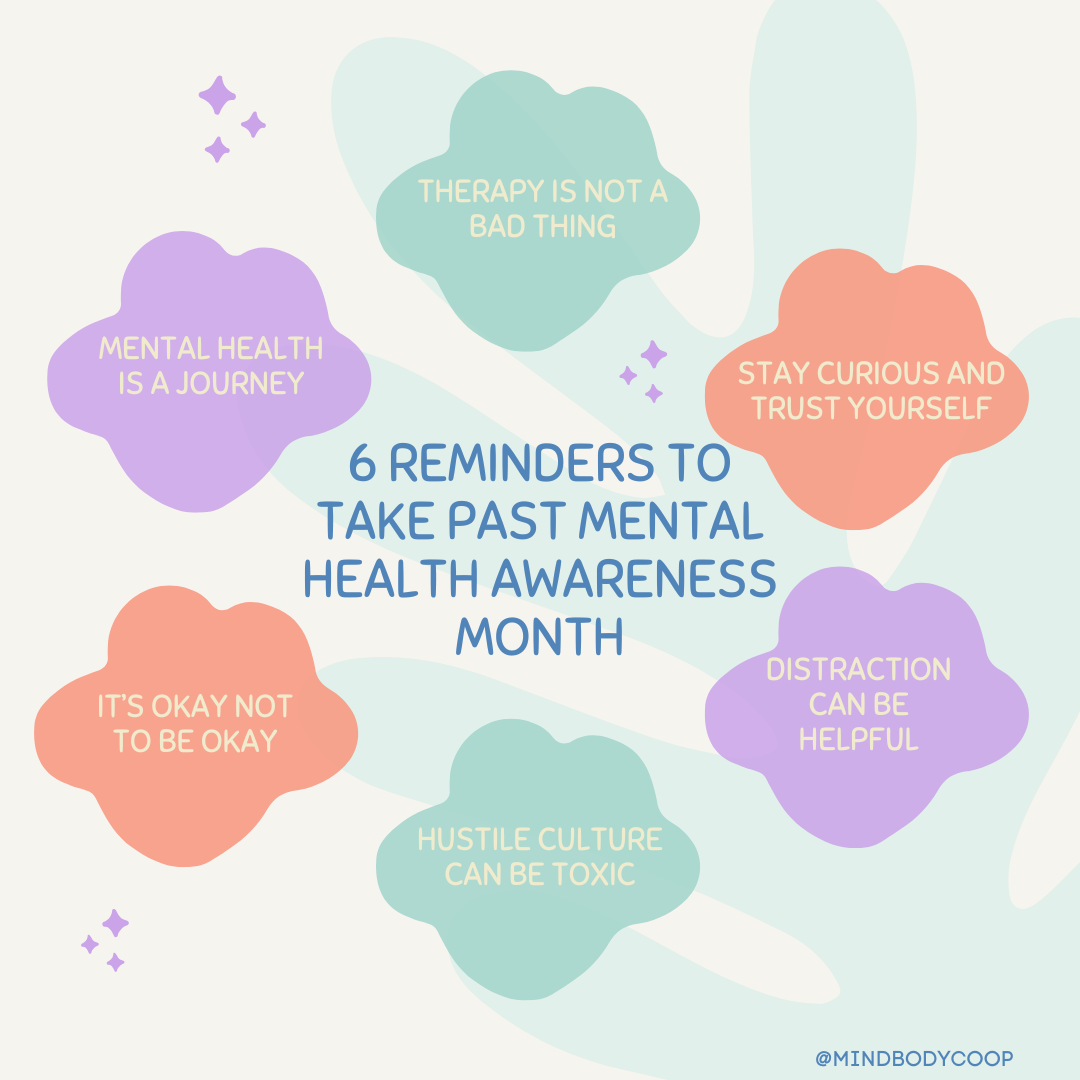
Here are six reminders to carry with you beyond Mental Health Awareness Month.
It’s ok to not be ok
The “it’s ok to not be ok” movement gained traction during the COVID-19 pandemic. Social media platforms like Instagram and TikTok helped spread this message widely.
This reminder empowers people to avoid defining themselves by their mental state. It applies to many situations, such as experiencing loss or receiving a mental health diagnosis.
Recognizing difficult emotions without hiding from them encourages authenticity and vulnerability. These qualities help people feel empowered, even during challenging periods.
Mental health awareness supports honest conversations and reduces shame around emotional struggles.
Therapy is not a bad thing
While many people believe mental health struggles should not carry shame, attitudes toward therapy remain mixed. A post-pandemic study reported that nearly half of people believe seeking therapy signals weakness.
This belief reflects long-standing cultural values around self-sufficiency and toughness. Ideas like “pull yourself up by your bootstraps” still influence how people view emotional support.
These beliefs cause harm and do not reflect reality. Recognizing when you need help demonstrates emotional maturity.
Life can feel overwhelming at times. Asking for help can lead to deeper self-awareness and greater well-being.
Mental health awareness includes challenging stigma around therapy and normalizing support.
Hustle culture can be toxic
Hustle culture prioritizes work at the expense of rest and personal life. Over the past several years, many people, especially millennials, have begun questioning this mindset.
Before the pandemic, society often celebrated overwork. Being constantly busy became something to admire.
Among women, hustle culture sometimes appeared as empowerment through the Girlboss movement. Over time, many recognized how this framing reinforced toxic and sexist expectations.
Constant pressure to perform can quickly lead to burnout. Society often rewards pushing past limits instead of honoring balance.
Mental health awareness highlights how chronic stress and productivity pressure affect emotional well-being.
Distractions can be good for mental health at times
The world can feel chaotic and overwhelming. Taking intentional breaks helps the mind recover.
This does not mean ignoring what happens around you. It means allowing space to rest and reset.
Just as the body needs rest after physical exertion, the mind needs breaks from ongoing stress.
Stepping away from social media or the news can help. Reading, watching something lighthearted, exercising, or cooking can also provide relief.
Rest and balance play an essential role in mental wellness and mental health awareness.
Mental health is a journey, not a destination
People often want quick solutions for emotional pain. This desire applies to mental health as well.
Some approach therapy expecting short-term fixes. In reality, mental well-being develops over time.
Viewing mental health as a lifelong journey can feel daunting. It can also feel freeing.
This perspective removes pressure to meet deadlines or benchmarks. It allows progress to unfold at its own pace.
Mental health awareness emphasizes growth over perfection.
- Notice emotional patterns without judgment
- Allow rest without guilt
- Ask for help when needed
- Explore practices that support long-term wellness
Stay curious and trust yourself
Curiosity and lifelong learning support growth in all areas of life. They also strengthen mental health awareness.
Paying attention to emotions during difficult moments builds insight. Over time, this awareness can reveal unhelpful patterns.
Self-compassion matters when recognizing these patterns. Everyone faces challenges, even those who appear put together.
Trusting yourself and your choices supports resilience and emotional well-being.